Can ChatGPT Be My Therapist?
A mentor once told me, “You can’t have a rational solution to an emotional problem.” This is why therapy helps when we “know” what do but for some reason can’t do it. We can’t think our way out of depression, trauma, or the emotional knots that show up in relationships. Healing often happens through experiencing emotions differently—especially with a trained professional who can guide that process. That doesn’t mean AI isn’t helpful. It just means it plays a different role.
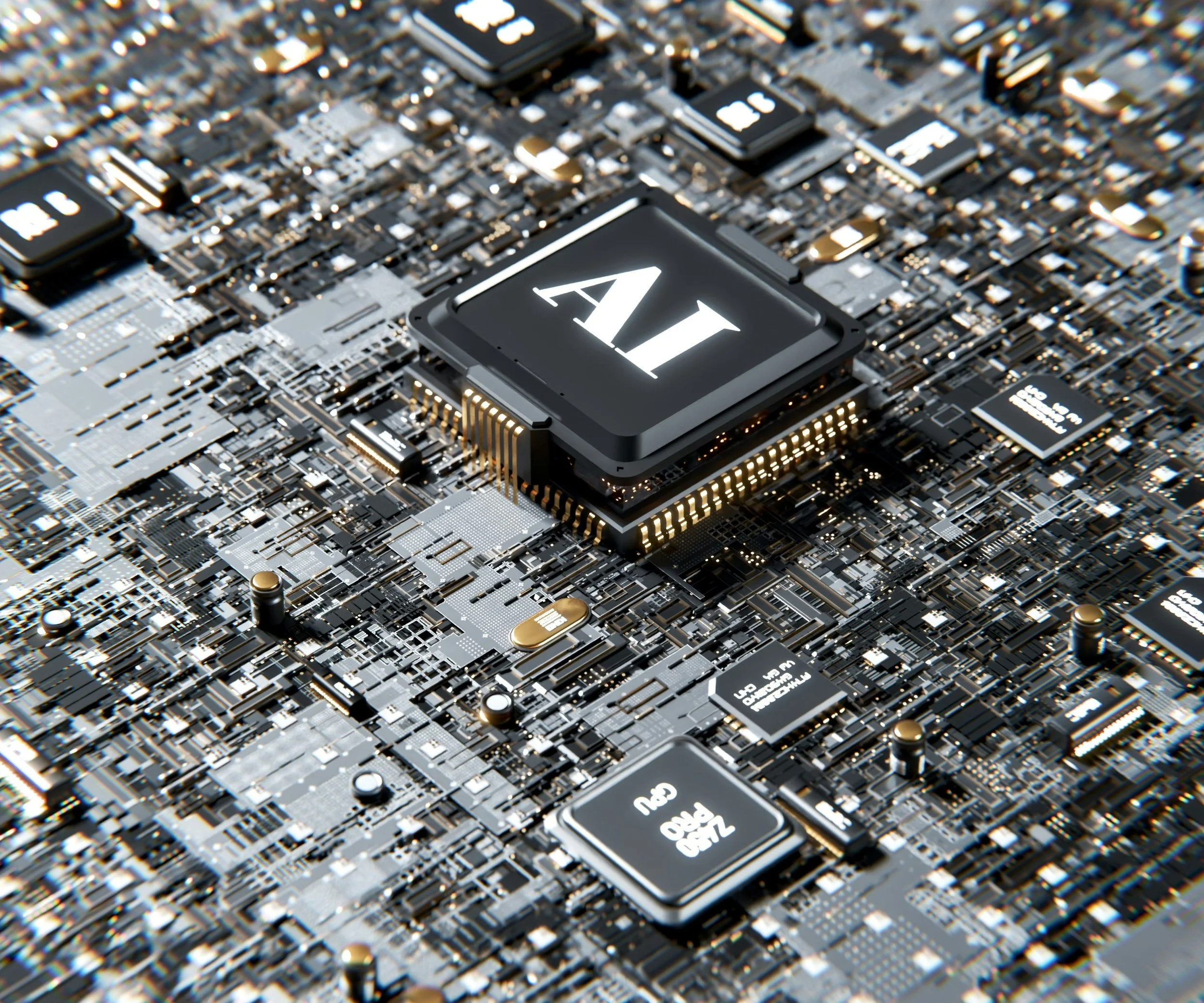
AI is everywhere now, and it’s becoming a surprisingly supportive tool in mental health. People turn to it because it’s accessible and feels like a safe, judgment-free place to sort through thoughts. How could a computer judge you, right?
That sense of safety can be powerful. Parts of our psyche still feel guarded or unsafe even with a therapist we trust, and those emotions are important to explore in therapy because they mirror how we show up in other relationships.
Where AI like ChatGPT really shines is in tools—worksheets, coping strategies, communication scripts, CBT techniques, journaling prompts, and more. It can fill the gap between sessions and give you ideas to bring back to your therapist. Using AI with your therapist can open new perspectives and deepen insight.
Still, there is something special about meeting face to face with another human.
A therapist in the room notices body language, tone, timing, emotional shifts—subtle things that shape the entire process. There is something deeply healing about sitting with another human who “gets” you.
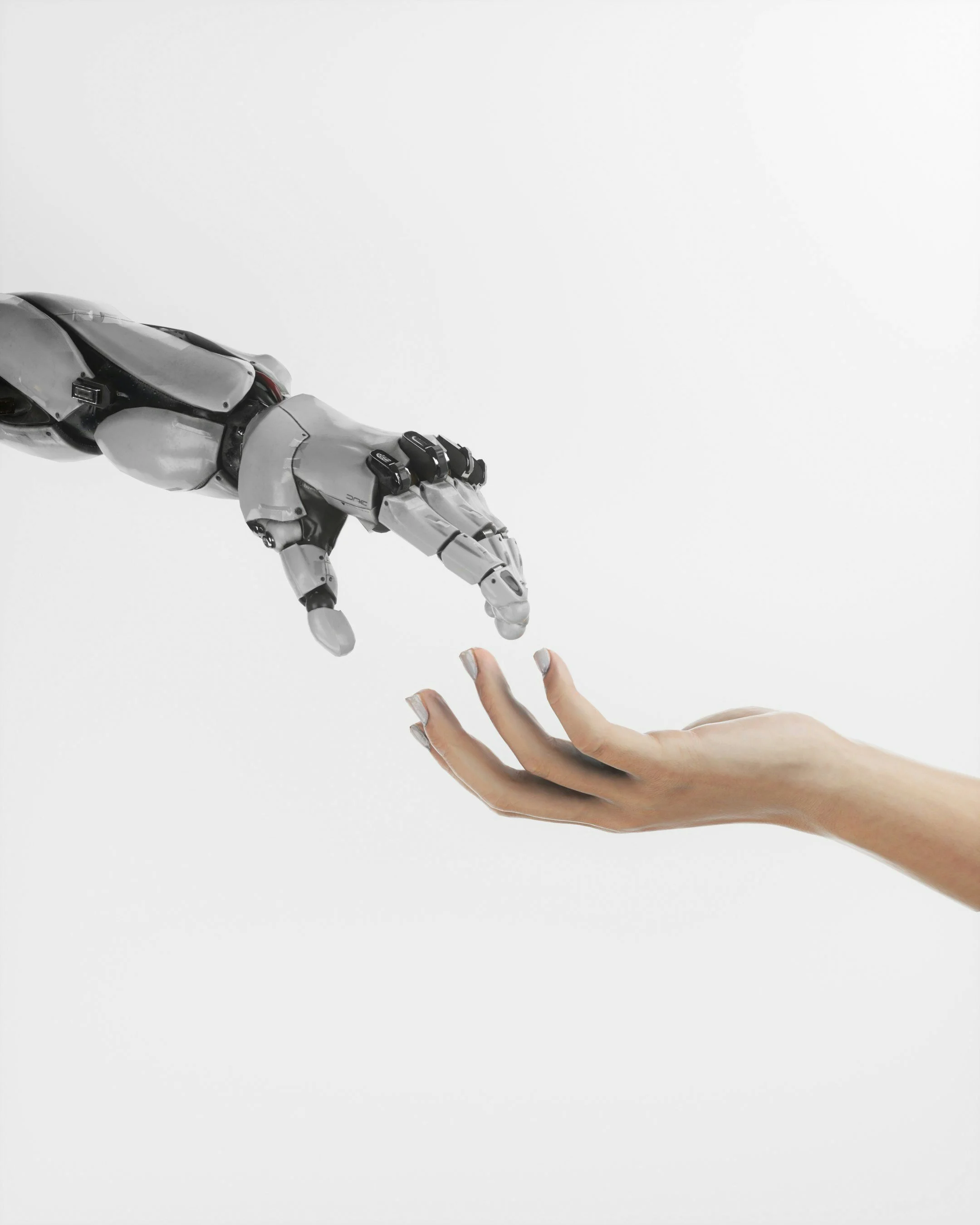
The biggest gap AI can’t fill, at least not yet is empathy?
AI doesn’t have lived experience, a nervous system, or emotions. Therapists do. One of the most important things a therapist can do is attend therapy themselves, so they know what vulnerability feels like from the client side. That shared human experience is part of the work.
Final Thoughts
AI can be a powerful mental-health tool when it’s paired with a trained therapist. Think of it as extra support—not a replacement. With a professional helping set healthy guardrails, AI becomes a resource that enhances therapy rather than replacing the human connection that actually heals.
Brenton Love, LMFT 159509
Therapy for Men (657) 201-9916